Integrated pest management
Project description
Integrated pest management (IPM) is a holistic approach to pest control in agriculture. It combines multiple crop protection strategies to create a comprehensive and sustainable programme based on biotic, cultural, physical, biotechnical, and chemical plant protection methods. The aim is to minimise risks to agricultural productivity, human health, and the environment. Special attention is also given to the protection and conservation of beneficial non-target organisms.
IPM considers specific requirements for crop rotation, fertilisation, irrigation, and overall management of agricultural crops. It also considers the use of appropriate seeds and planting materials, as well as the implementation and monitoring of plant protection methods, with the aim of preventing and limiting the spread of harmful organisms.
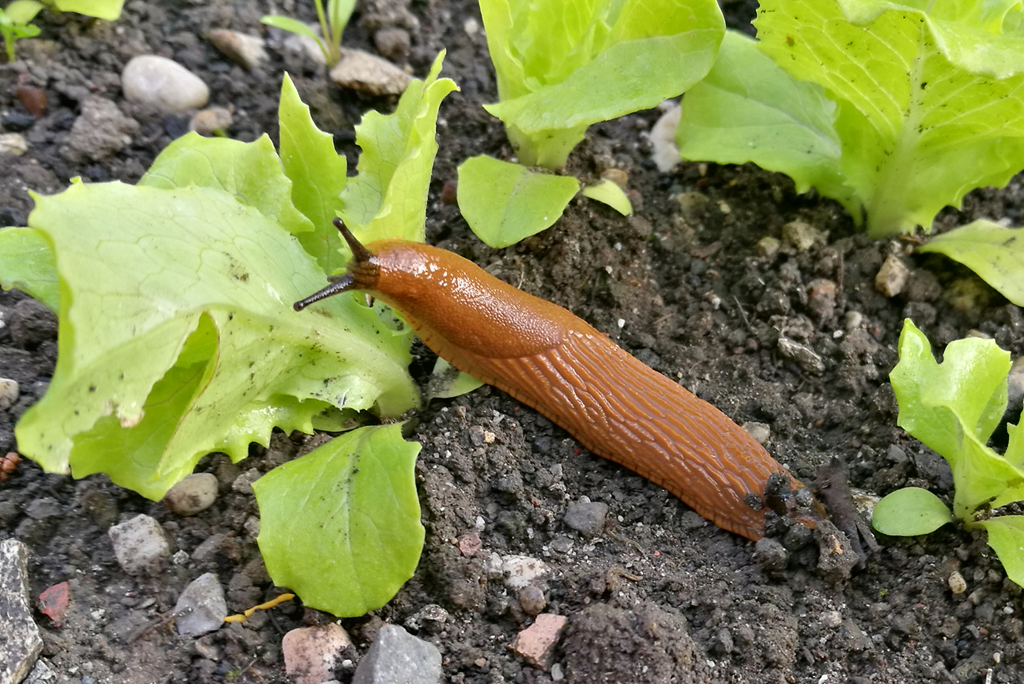
The IPM portal provides comprehensive information on harmful organisms affecting various crops, together with protection guidelines for specific groups of cultivated plants. It also presents a range of alternative approaches aimed at reducing the use of plant protection products (PPPs).
Biological control
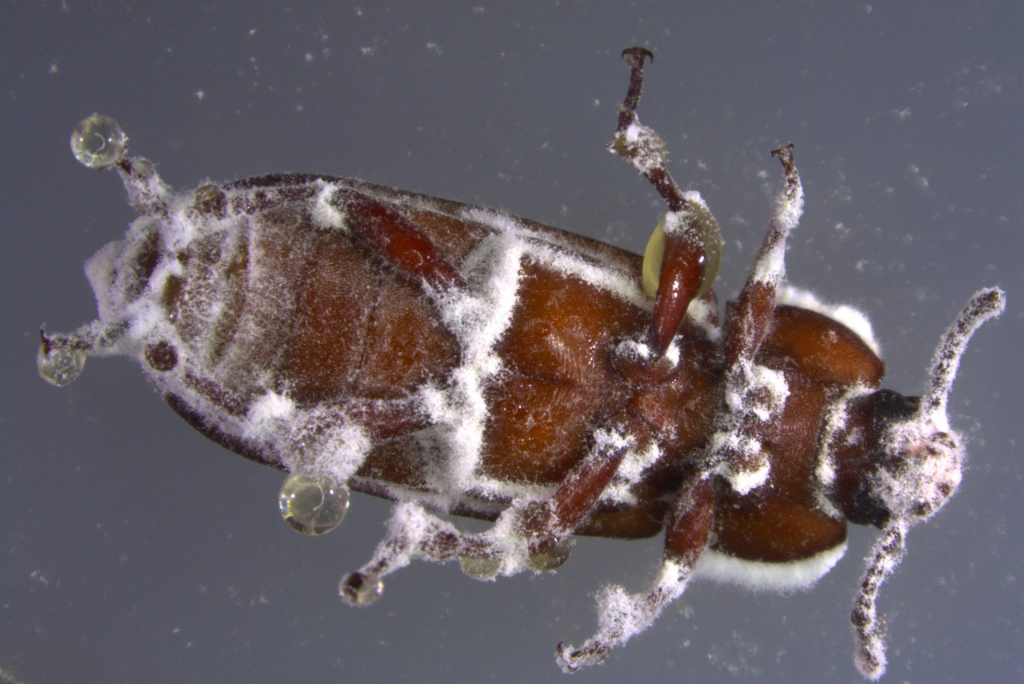
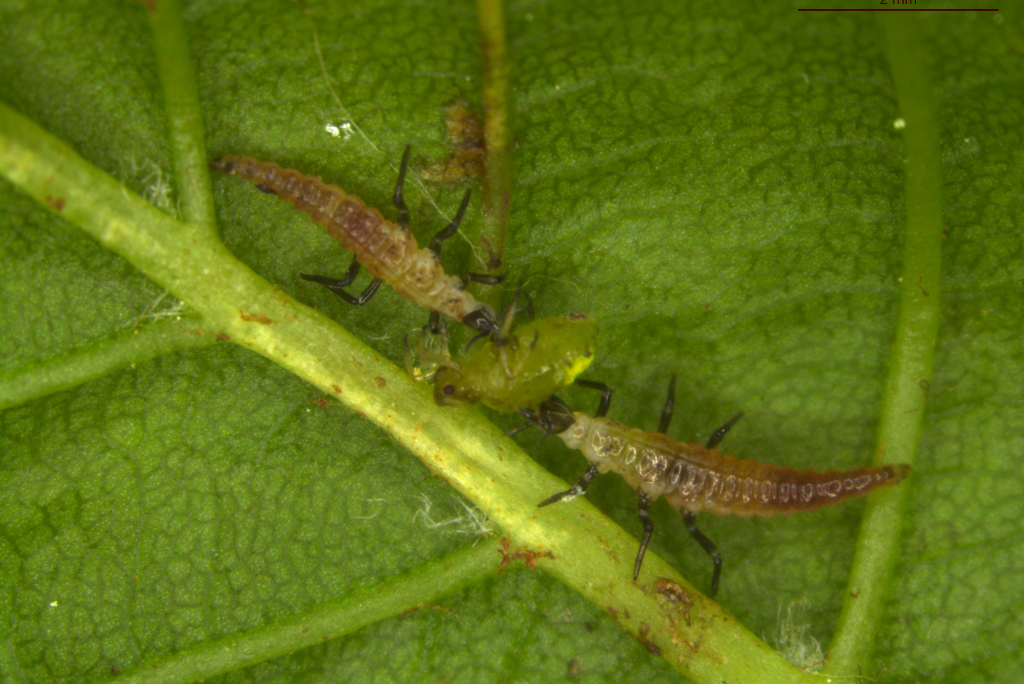
A key component of integrated pest management is biological control, which applies knowledge of species interactions and beneficial organisms to suppress harmful populations and maintain them below the economic threshold. The aim of biological control is to use living organisms to influence pests or disease agents in ways that disrupt their development or lead to their suppression or elimination.