CircSyst – Circular Systemic Solutions for Plastic, Packaging, Bio-Waste, and Water


Project description
CircSyst aims to accelerate Europe’s transition towards a sustainable circular economy by developing and demonstrating innovative systemic solutions at local and regional levels. The project addresses the need for integrated approaches to resource management, bringing together technological innovation, interregional cooperation and citizen engagement.
The project focuses on three priority value chains identified in the European Commission’s Circular Economy Action Plan: water management, bio-waste, and plastics and packaging. Through nine demonstration activities across seven European countries, CircSyst develops and validates solutions that address specific regional challenges while promoting their replication and wider uptake across Europe.
The activities include wastewater treatment and reuse, smart water management, bio-waste valorisation, improved recycling processes and the redesign of food packaging. By connecting these solutions across different sectors, CircSyst aims to demonstrate how circular systems can contribute to resource efficiency, environmental sustainability and long-term resource security.
Slovenian pilot
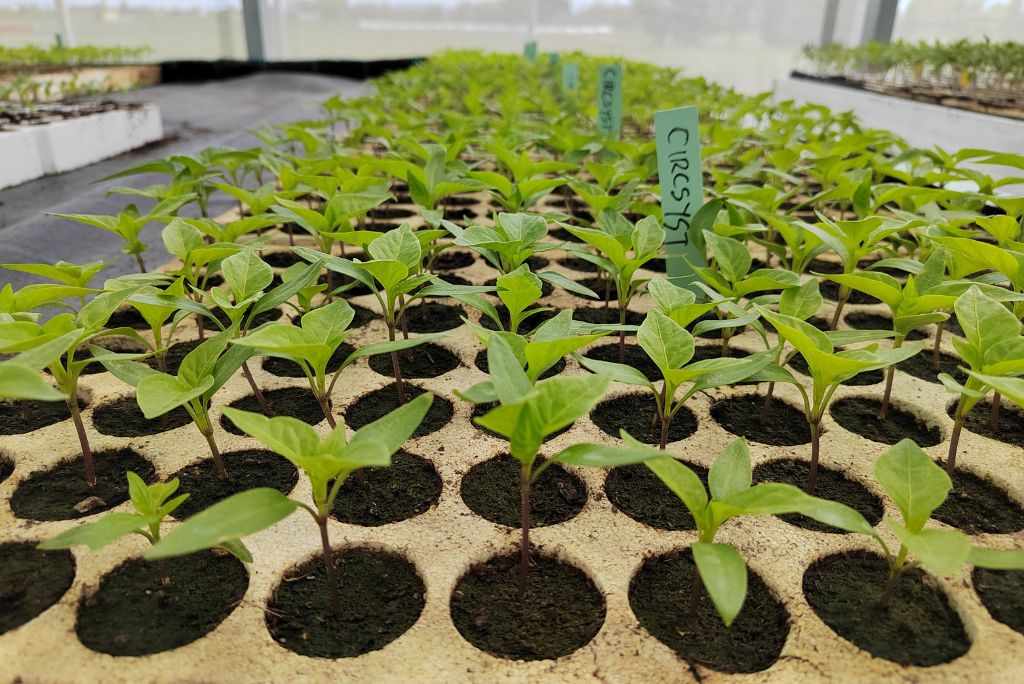
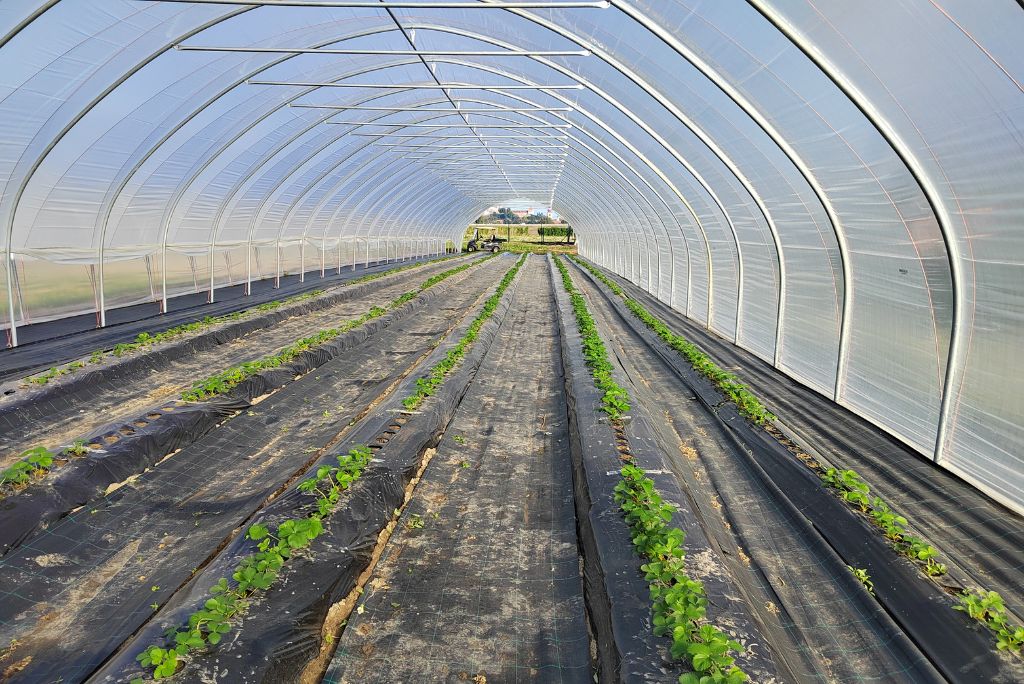
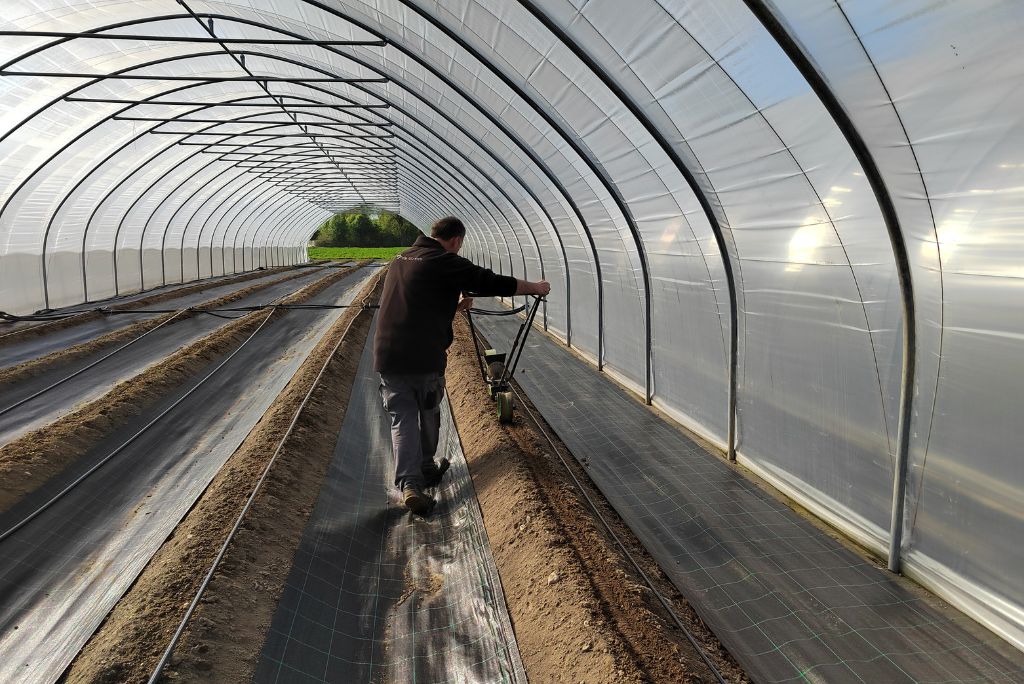
The Slovenian pilot will be implemented at the Ptuj Infrastructure Centre of the Agricultural Institute of Slovenia, where onions, carrots, peppers and strawberries will be irrigated using treated wastewater from the nearby Ptuj wastewater treatment plant.
Different irrigation and water management strategies will be tested, with continuous monitoring of relevant parameters to ensure crop quality and, most importantly, food safety.
The main objective is to assess the suitability of additionally treated municipal wastewater for agricultural irrigation and evaluate the safety of the resulting produce. The pilot will provide valuable insights into the potential of reclaimed water as an alternative water source for agriculture, contributing to more sustainable water management and circular resource use.
Partnership
CircSyst is coordinated by AIJU (Spain) and brings together 32 public and private partners from eight EU Member States (Spain, Belgium, Finland, Greece, Sweden, Austria, Slovenia and Hungary) and the United Kingdom.
The consortium combines expertise from research institutions, industry, public authorities and other organisations to develop circular solutions that can be replicated and scaled up across European regions.
Funding
CircSyst is funded by the European Union’s Horizon Europe research and innovation programme (Grant Agreement No. 101135505).