LIFE for Seeds – Conservation of priority grassland habitats in Slovenia through the establishment of seed bank and in situ restoration



Project description
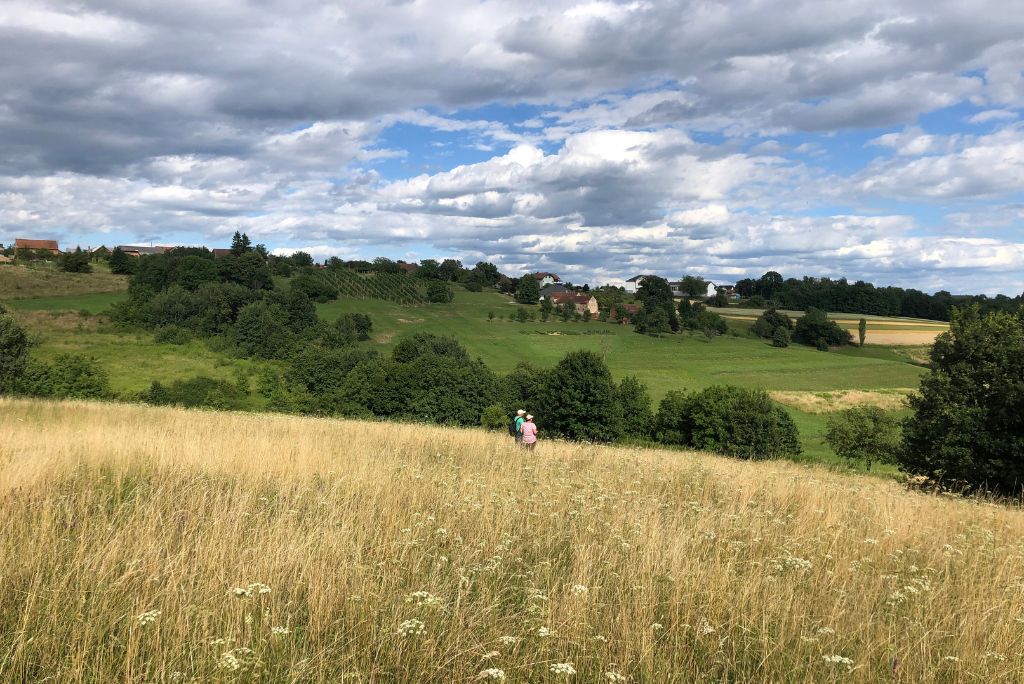
Species-rich grasslands of high conservation value are declining across Slovenia’s Natura 2000 sites. The main threats include agricultural intensification, such as conversion to arable land, fertilisation, frequent mowing and intensive grazing, as well as land abandonment, which leads to overgrowth by shrubs and forests.
LIFE FOR SEEDS aims to conserve and restore three priority habitat types of European importance: semi-natural dry grasslands with orchids, species-rich Nardus grasslands and intermittent lakes, which also include various types of wet grasslands.
The project focuses on preserving native plant diversity by establishing seed banks, restoring degraded grasslands using locally sourced native seed material and developing long-term solutions for sustainable grassland management.
Project Objectives and Activities
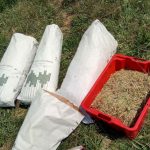
The project aims to collect and preserve 12,000 seed accessions from at least 300 plant species across 21 Natura 2000 sites throughout Slovenia, ensuring high genetic diversity.
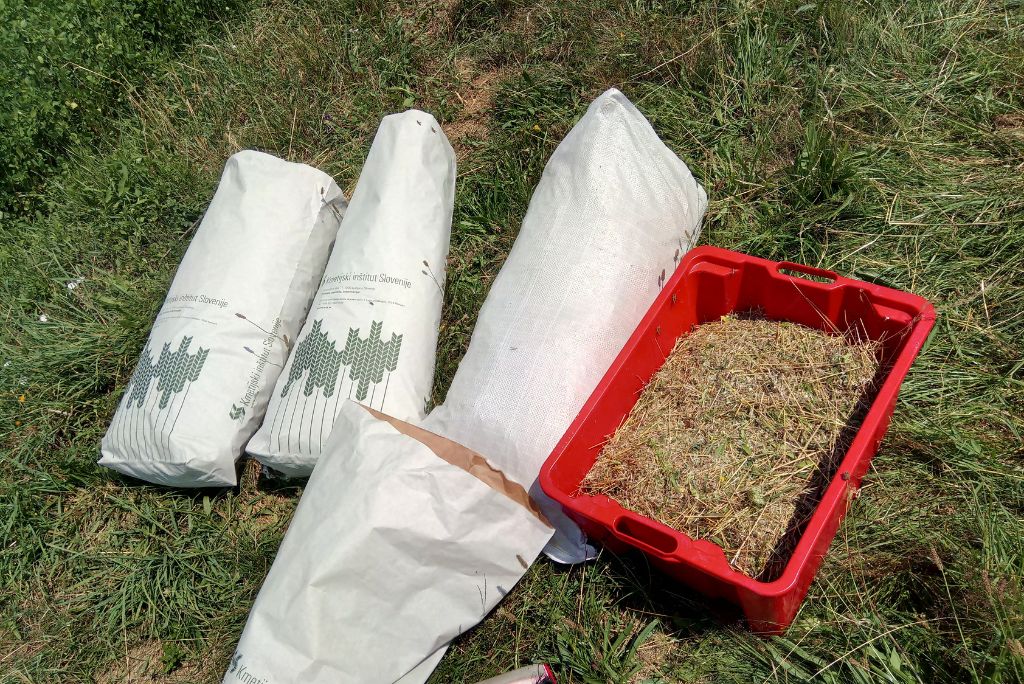
All collected seeds will be stored in two seed banks: one at the Jablje Infrastructure Centre of the Agricultural Institute of Slovenia and a duplicate collection at the Ormož Lagoons Nature Reserve. An advanced database, accessible through a mobile application, will support the management of both collections.
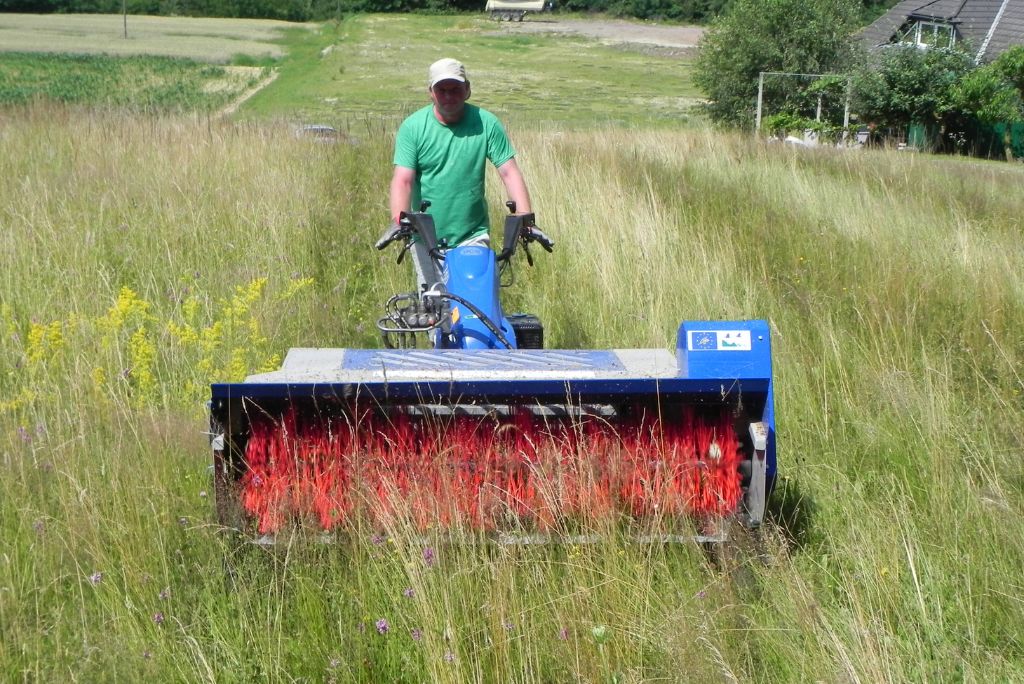
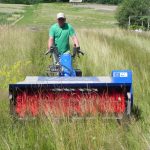
Another key objective is the restoration of 74.1 hectares of grasslands across seven Natura 2000 sites using green hay and native seed mixtures. Restoration success will be assessed through four indicators: vegetation, soil, birds and insects. The restored areas will continue to be managed according to the ecological requirements of the target grassland habitats after the project ends.
To support the long-term availability and use of native seed material, LIFE FOR SEEDS will develop three proposed agri-environmental measures focusing on:
- Green hay production;
- Native seed mixture production;
- Grassland restoration.
These measures are intended to be incorporated into agricultural policy after 2027. The project will also conduct feasibility and market analyses, develop a potential business model and marketing strategy, and establish an online platform connecting native seed producers, users, farmers and nature conservation stakeholders.
Field activities will be complemented by education and awareness-raising initiatives, including a practical handbook on grassland restoration, workshops, field demonstrations, training events and knowledge exchange with other European projects.
Partnership
Project coordinator:
Project partners: