PRIRAST – Introducing Sustainable and Environmentally Friendly Crop Production Technologies and Modern Approaches to Field Crop and Vegetable Breeding and Seed Production to Mitigate the Effects of Climate Change



Project description
In recent years, Slovenian agriculture has faced numerous systemic and environmental challenges affecting its sustainability, competitiveness and attractiveness to young farm successors. The PRIRAST project – Introducing Sustainable and Environmentally Friendly Crop Production Technologies and Modern Approaches to Field Crop and Vegetable Breeding and Seed Production to Mitigate the Effects of Climate Change – aims to address these challenges through a comprehensive approach that brings together key stakeholders within the national Agricultural Knowledge and Innovation System (AKIS).
The main objective of the consortium is to establish close cooperation between research institutions, agricultural advisory services and farms to develop, test and transfer innovative technologies into practice. This will help strengthen capacities for the faster development of new varieties, technologies and sustainable approaches, while enabling better adaptation to climate change and market demands.
Objectives
- Connecting knowledge institutions within AKIS to strengthen cooperation and joint capacities for the development, exchange and transfer of agricultural knowledge and innovation.
- Establishing and upgrading experimental and demonstration infrastructure to support the practical introduction of innovative technologies and improve farmers’ access to knowledge.
- Developing and introducing new technologies that contribute to the digital, green and climate-neutral transition of agriculture, particularly through improved crop varieties, production technologies and seed processing.
- Bridging knowledge gaps in modern methods of plant evaluation and crop production technologies, including the use of remote sensing and physiological measurements.
- Strengthening agricultural resilience to climate change by developing varieties and technologies that reduce the need for plant protection products and mineral fertilisers while enabling sustainable soil management.
- Increasing the competitiveness of family farms by developing solutions tailored to their needs, enabling more sustainable, efficient and economically viable production.
- Supporting the development of new agricultural policy measures after 2027 by providing expert foundations for interventions and agri-environment-climate payments.
Expected Results
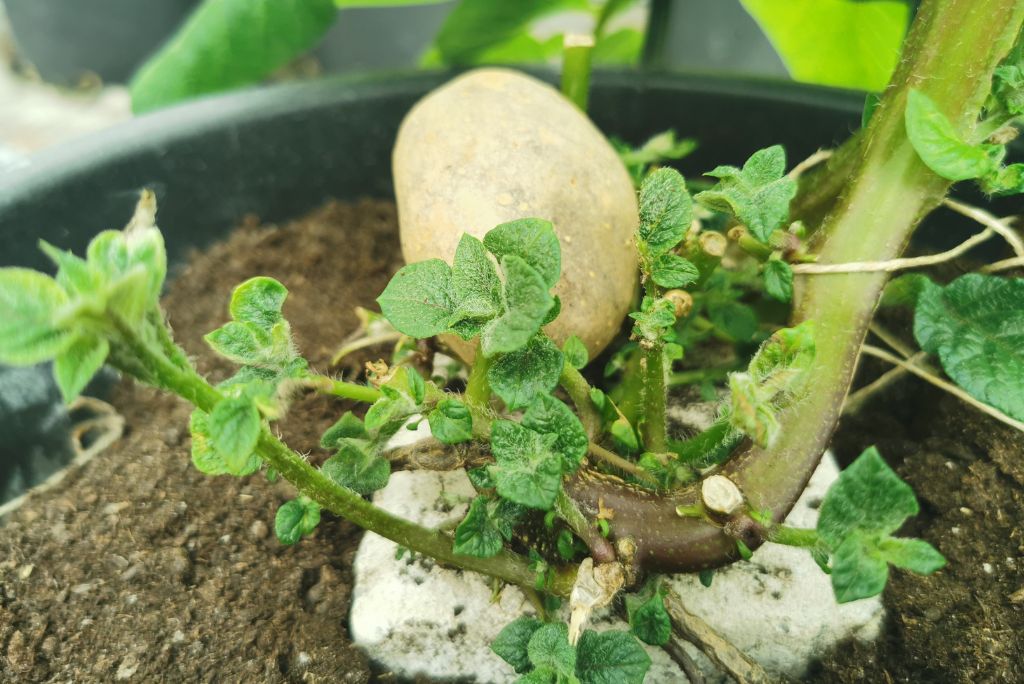
- Breeding new domestic crop varieties and introducing new foreign varieties adapted to climate change: Advanced phenotyping methods and physiological measurements will accelerate the development and registration of new domestic varieties of potatoes, beans and forage crops suitable for conventional and organic production.
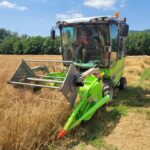
- Introducing new sustainable open-field production technologies: Laser land levelling will contribute to more uniform crop production, reduced soil erosion, more efficient use of fertilisers and plant protection products, and greater resilience to extreme weather events. New approaches will also support the development of year-round soil cover technologies and more sustainable farming practices with a lower carbon footprint.
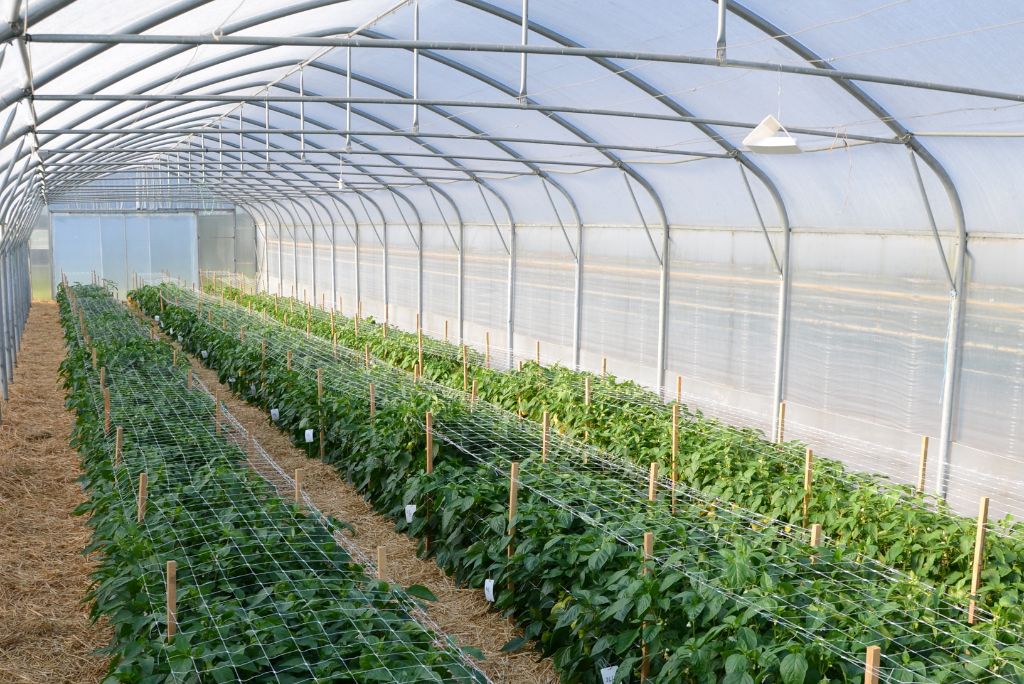
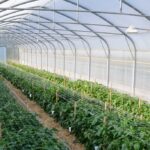
- Introducing new technologies for protected vegetable production on farms: Autonomous high tunnels adapted to smaller family farms in different climatic regions will be established. These will enable sustainable vegetable production during winter, strengthening the competitiveness of smaller producers.
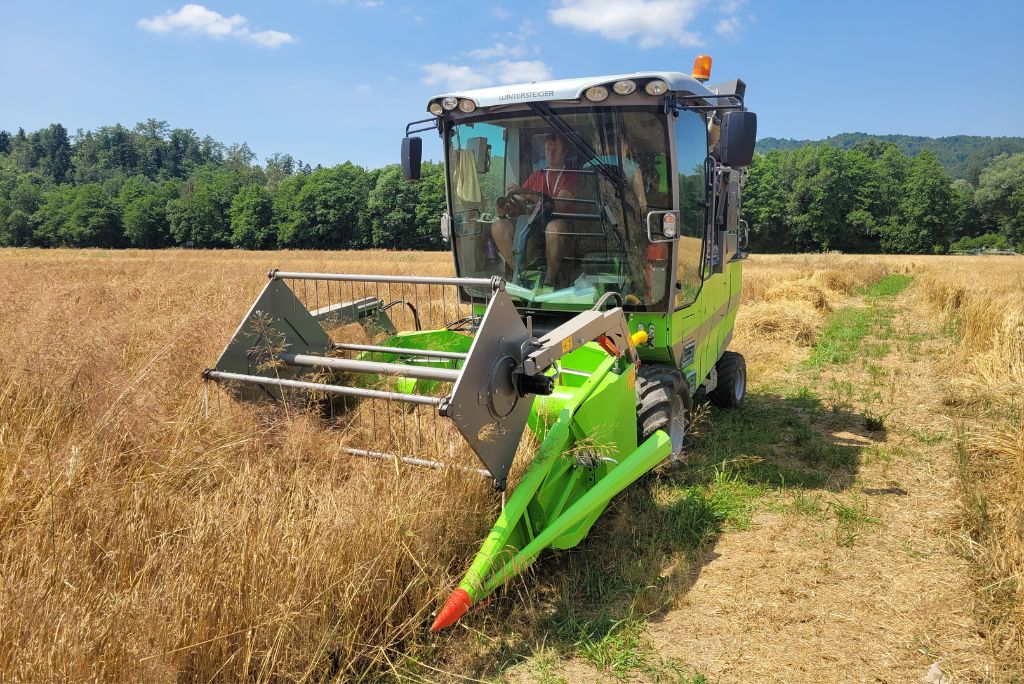
- Introducing new technologies in seed production: Non-chemical seed film coating and pelleting methods using cellulose-based and biologically active substances will be introduced. Technologies for cleaning small seeds for plant breeding, gene banks and seed production will also be improved, helping to address the shortage of organic seed. Non-chemical potato haulm destruction will also be introduced, which is particularly important for organic production.
- Introducing greenhouse gas (GHG) monitoring in crop production in Slovenia: The project will investigate the effects of different agricultural practices on greenhouse gas emissions. Measuring GHG emissions from various production systems will support the development of more sustainable practices, improve climate models and enable more accurate reporting of data to the EU. These findings will also support the development of effective agricultural and environmental policies.
Partnership
- Agricultural Institute of Slovenia (Lead Partner)
- University of Ljubljana, Biotechnical Faculty
- University of Maribor, Faculty of Agriculture and Life Sciences
- Slovenian Institute of Hop Research and Brewing
- Rakičan Biotechnical School
- Grm Novo mesto – Centre of Biotechnology and Tourism
- Chamber of Agriculture and Forestry of Slovenia
- Chamber of Agriculture and Forestry of Slovenia – Institute of Agriculture and Forestry Celje
- Chamber of Agriculture and Forestry of Slovenia – Institute of Agriculture and Forestry Ljubljana
- Chamber of Agriculture and Forestry of Slovenia – Institute of Agriculture and Forestry Murska Sobota
- Slovenian Association for Bird Observation and Study
- Slovenian Association for Integrated Vegetable Production
- Kumer 1687 d.o.o.
- Marolt Organic Farm
- Zdolšek – Lepe njive Organic Farm
- Župenca Organic Farm
- Zagorc Farm
- Burger Farm
- Franc Petrič Farm
- Jožef Ribič Farm
- Sonja Petrič Farm
The project is funded under Intervention IRP38 – Consortia of Knowledge Institutions Supporting the Transition of Agriculture towards Green, Digital and Climate-Neutral Practices, within the Common Agricultural Policy Strategic Plan 2023–2027.