Introduction
The department’s activities encompass research, professional, and commercial sectors. Our work is funded through public services (covering apples, berries, and grapevines), professional tasks, research programs, and both domestic and international research projects. Our approach is interdisciplinary, involving collaboration with leading domestic and foreign research and professional institutions. Through our research and professional endeavors, we contribute to the quality, sustainability, and competitiveness of Slovenian fruit, grape, and wine production.
Areas of work
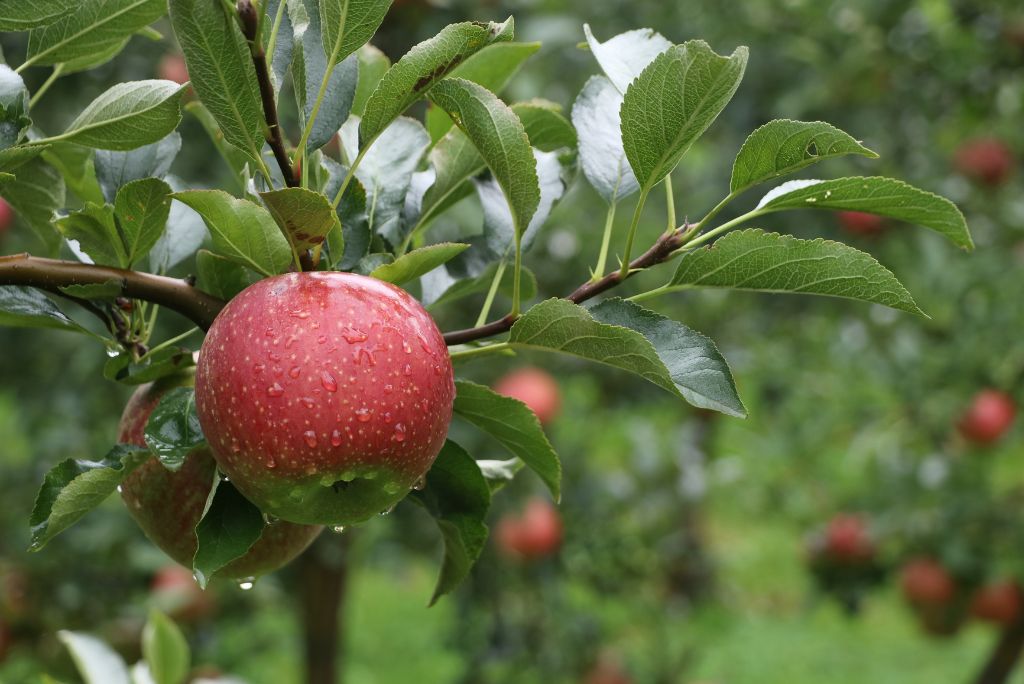
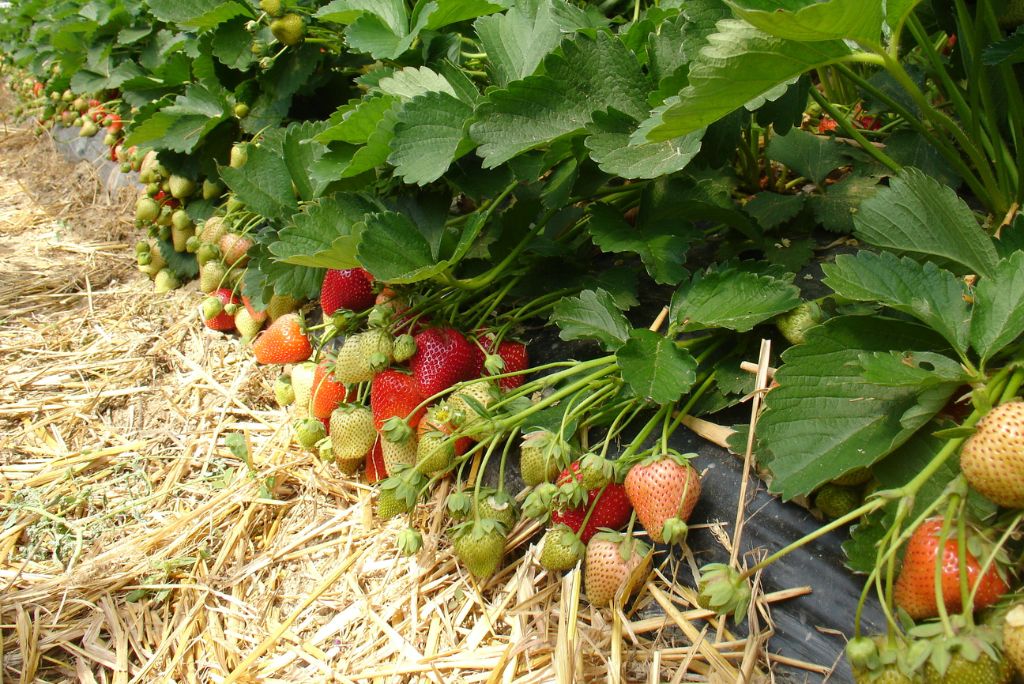
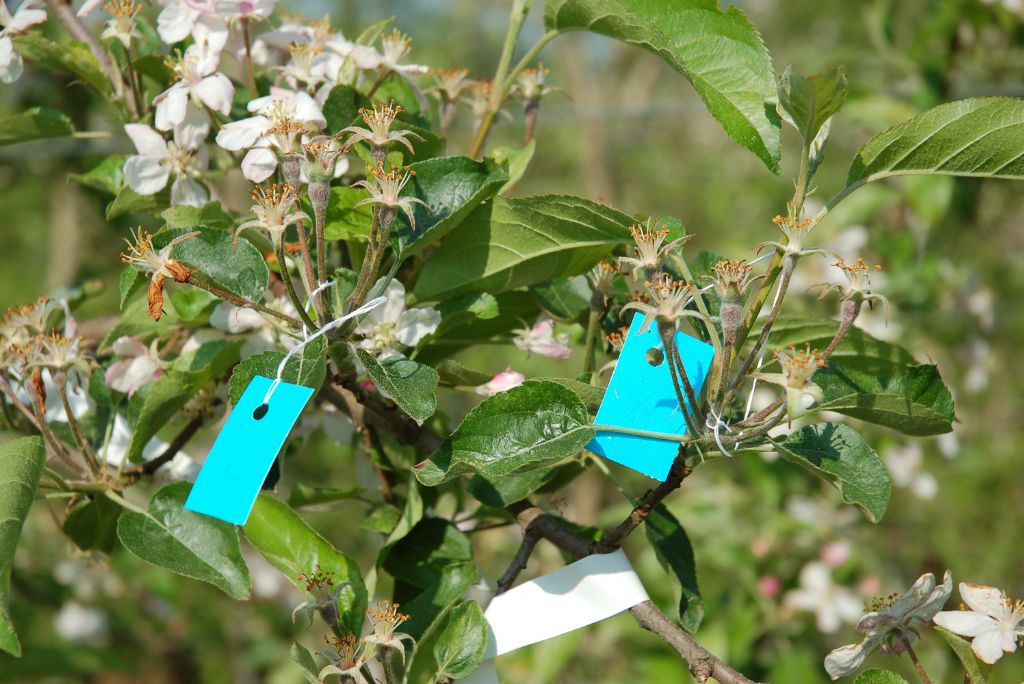
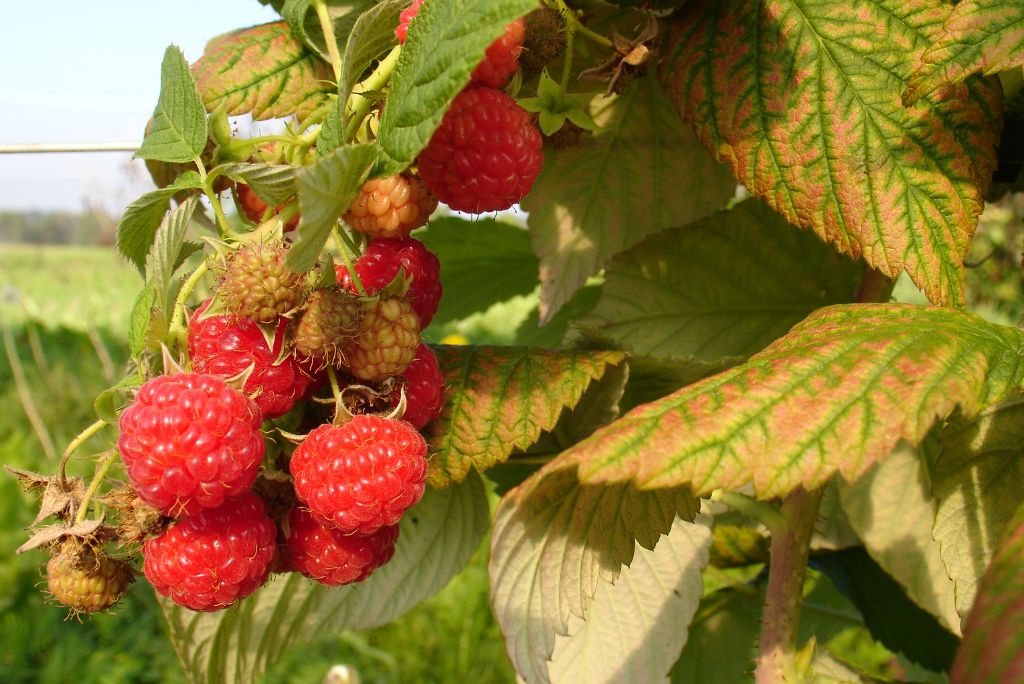
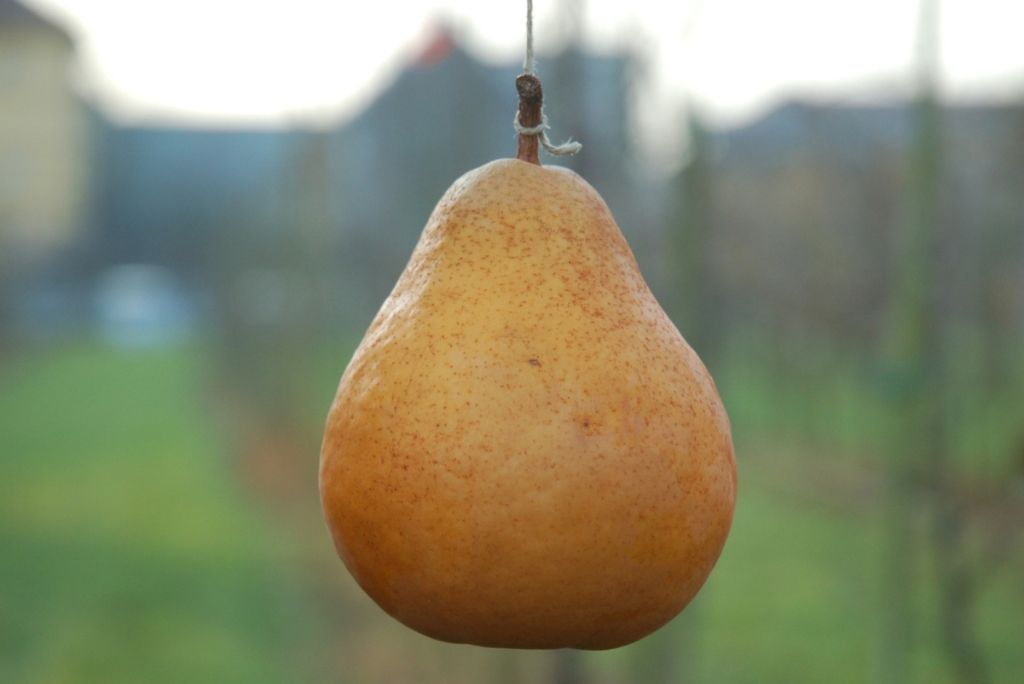
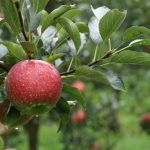
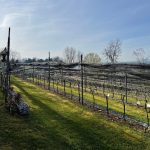
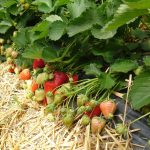
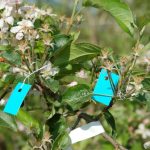
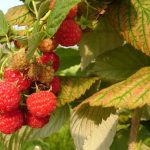
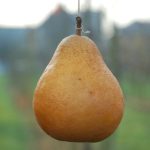
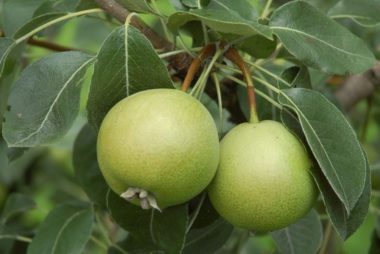
Fruit Growing – Pome Fruit: - • Regulation of crop load in apple trees, • Study of physiological processes related to flowering, • Effect of plant bioregulators, • Development of new application techniques for plant protection products (PPPs), • Impact of various factors (agrotechnical measures, variety, abiotic factors) on fruit metabolites, • Development of new sustainable and technologically advanced systems for fruit plant production and protection, • Preservation of genetic diversity in apple and pear varieties (autochthonous, traditional, and old varieties), • Guidelines for organic fruit growing, • Genetic resources of berries in Slovenia • Digitalization in fruit growing
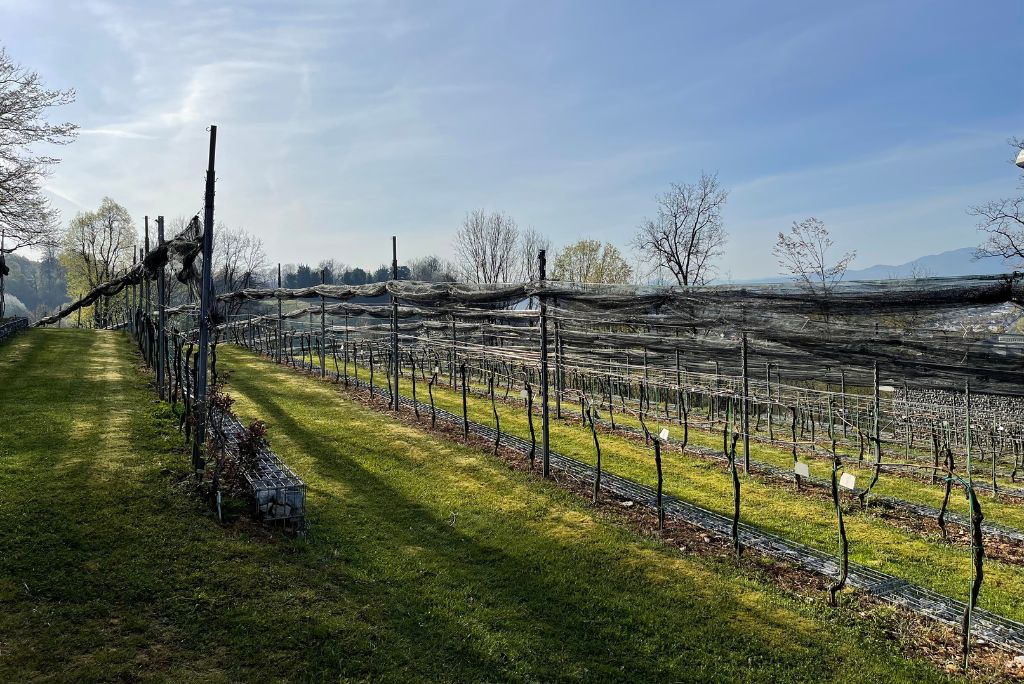
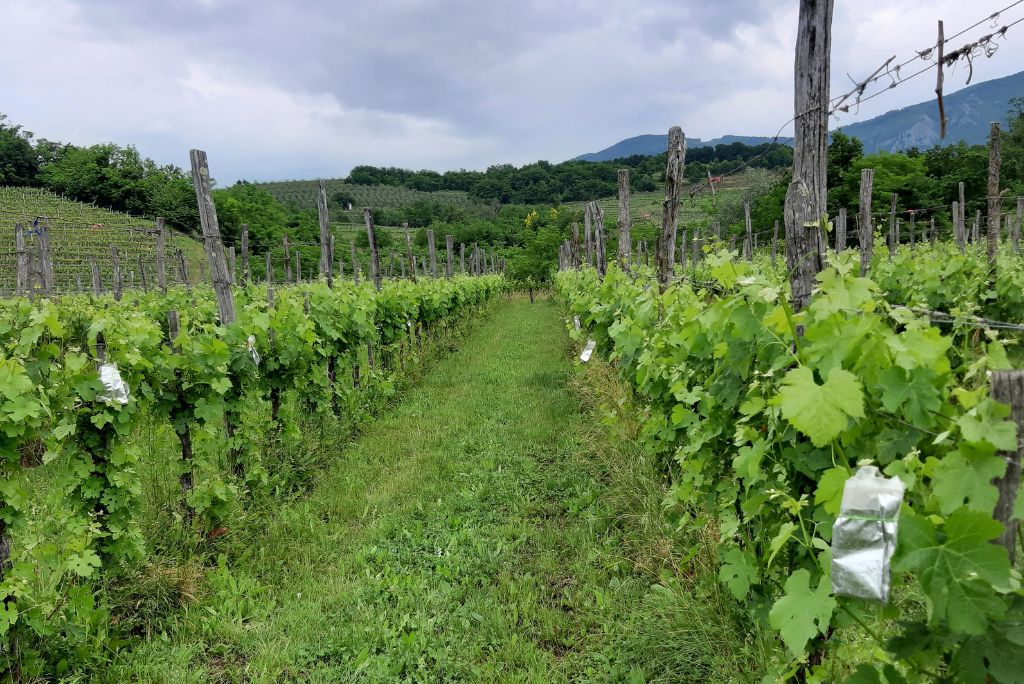
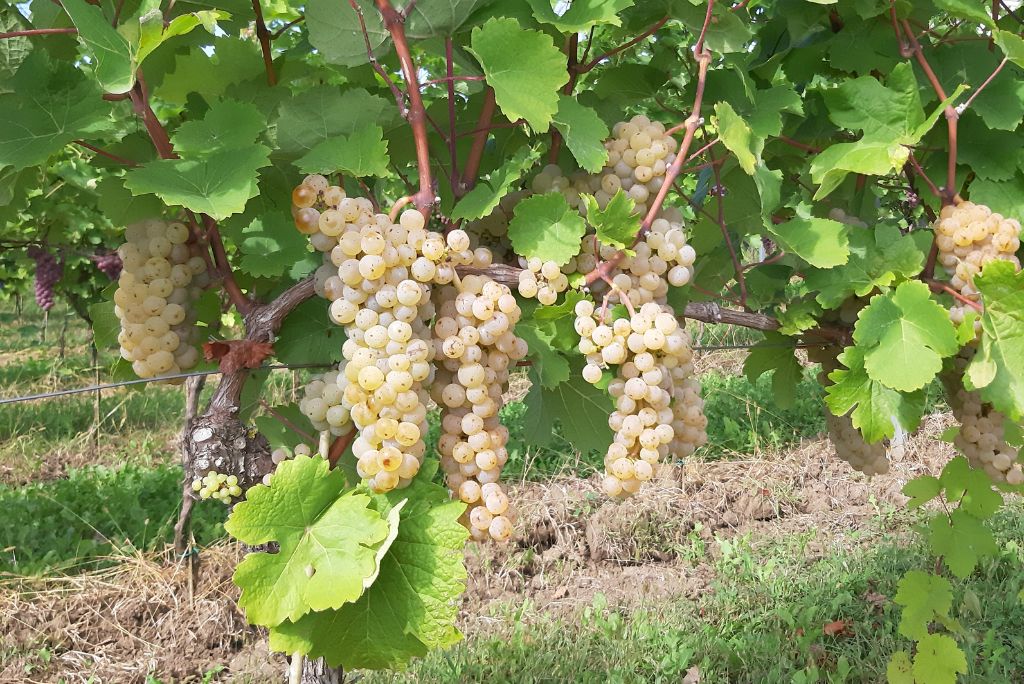
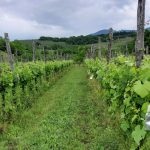
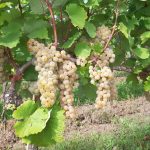
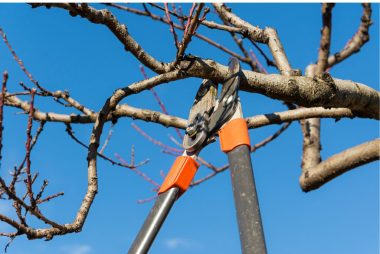
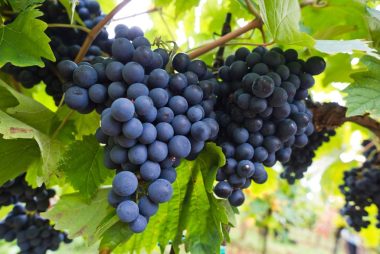
Viticulture: - • Introduction, production technology, and selection of grapevines • Local genetic resources of grapevine varieties in Slovenia • Impact of climate change on grape and wine quality • Optimization of water use and irrigation in vineyards • Mitigation of drought stress in grapevines through the study of tolerant rootstocks and soil management • Impact of various viticultural practices (harvest time, crop load, pruning, soil management) on grape and wine quality • Impact of harvest timing and crop yield on grape and wine quality • Digitalization in viticulture
Enology: - • Impact of microbiological processes, particularly yeast strain selection, on alcoholic fermentation • Impact of enological technologies on wine quality and sensory characteristics • Monitoring pesticide residues and other contaminants in wine relative to grape production methods • Study of grape and wine metabolomes in response to abiotic factor • Monitoring of negative sulfur compounds (H2S, mercaptans) and reduction of their presence in white wine production
Infrastructure
Public services